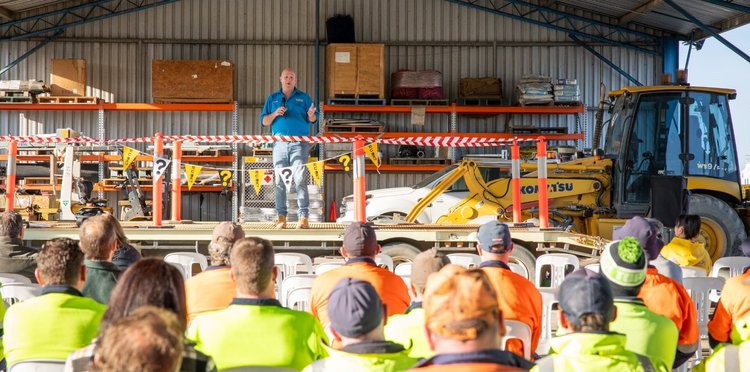
Starting a Conversation that has the Potential to Save a LifeI’m so proud to be involved with R U OK Day for Apco Service Stations. On R U OK Day last week I’m pleased to have visited
Apco Shepparton (pictured above) and Apco Bendigo. This year it’s a simple message, ‘I’m here to hear’! When you are concerned about someone’s wellbeing, we must gather the courage to reach in and start a conversation. There are a couple of tools we can have in our Mental Health Toolbox to help better facilitate these conversations and support someone. We must recognise the signs that could alert you that someone is struggling. These can include signs like, for example: frustration; anger; sadness; and isolation. These are all signs to look out for. Yet, subtle signs – for example, like someone not turning up for an event when you would expect them to – can be worth noting. When someone starts to open-up, the conversation then needs to focus on being empathetic to the persons’ situation. We need to ask open ended questions that are going to lead to further conversation, not just a yes or no answer. We must give them our undivided attention while remaining non-judgmental. It is important to remember that we don’t have to rush in with answers or advice to their challenges. Instead, sometimes we just have to sit and listen. Listen quietly, demonstrate genuine care and more than likely, even if you know the person well, build some rapport. This is so the person feels comfortable to open-up to you. Once the conversation starts, you then need to encourage the person to seek help and support from resources, support networks or professional services. Your role is not to solve the issue, it is to support the person, be that safe person for them to turn to and most of all be that person that will listen. So don’t shy away from the conversation because the most
valuable thing you can do is LISTEN
|