Sometimes the Best Medicine Is a Laugh
Comedy, conversation, connection and country hospitality are some of the most powerful medicines we have, especially in communities recovering from disaster.
On Sunday, I was reminded that sometimes the best medicine isn't complicated.
It's a laugh.
A conversation.
A handshake.
A hug.
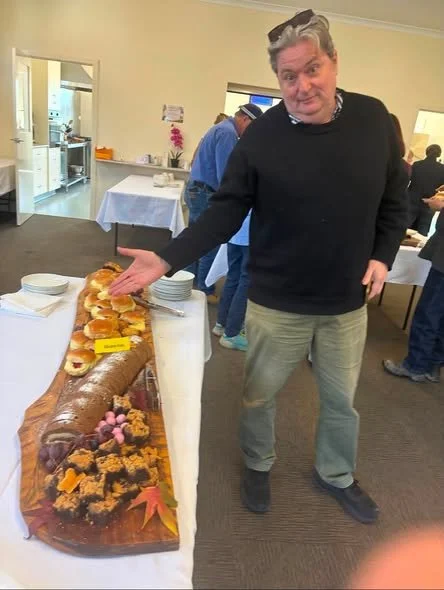
And wholesome country hospitality, with good food shared among friends and strangers alike.
At Yarck Hall, all of those things came together, and once again I was reminded that some of the most important work we can do in disaster recovery doesn't happen in government offices or committee meetings. It happens over a cup of tea, while sharing a meal, listening to a comedian, or simply checking in with someone you haven't seen for a while.
I'm incredibly proud to be involved with Comedy & Conversations, and I want to acknowledge the incredible vision and commitment of Alexandra Events. They continue to create opportunities that don't just entertain communities, they strengthen them.
At first glance, Sunday's event looked wonderfully simple.
Two brilliant comedians.
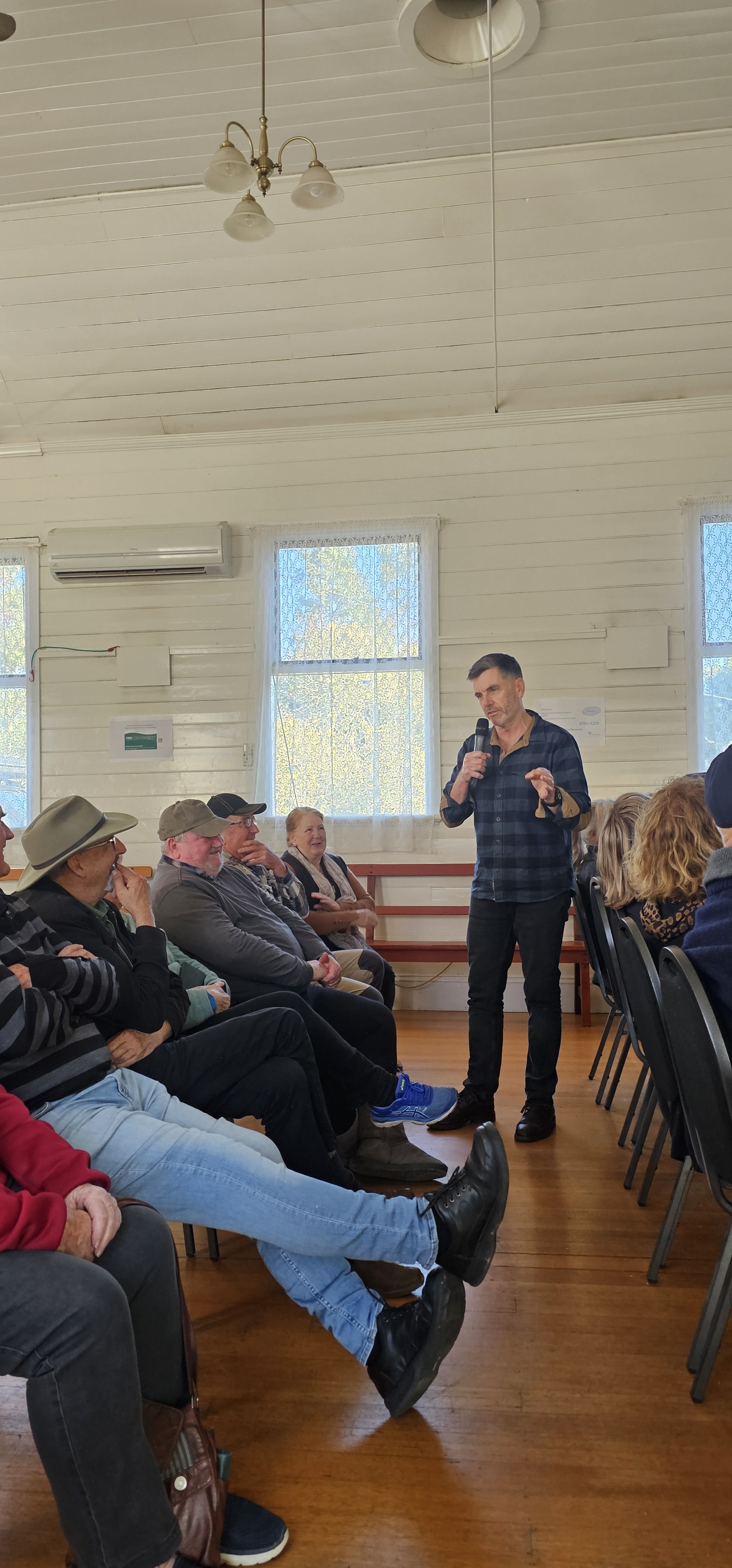
A country hall full of locals.
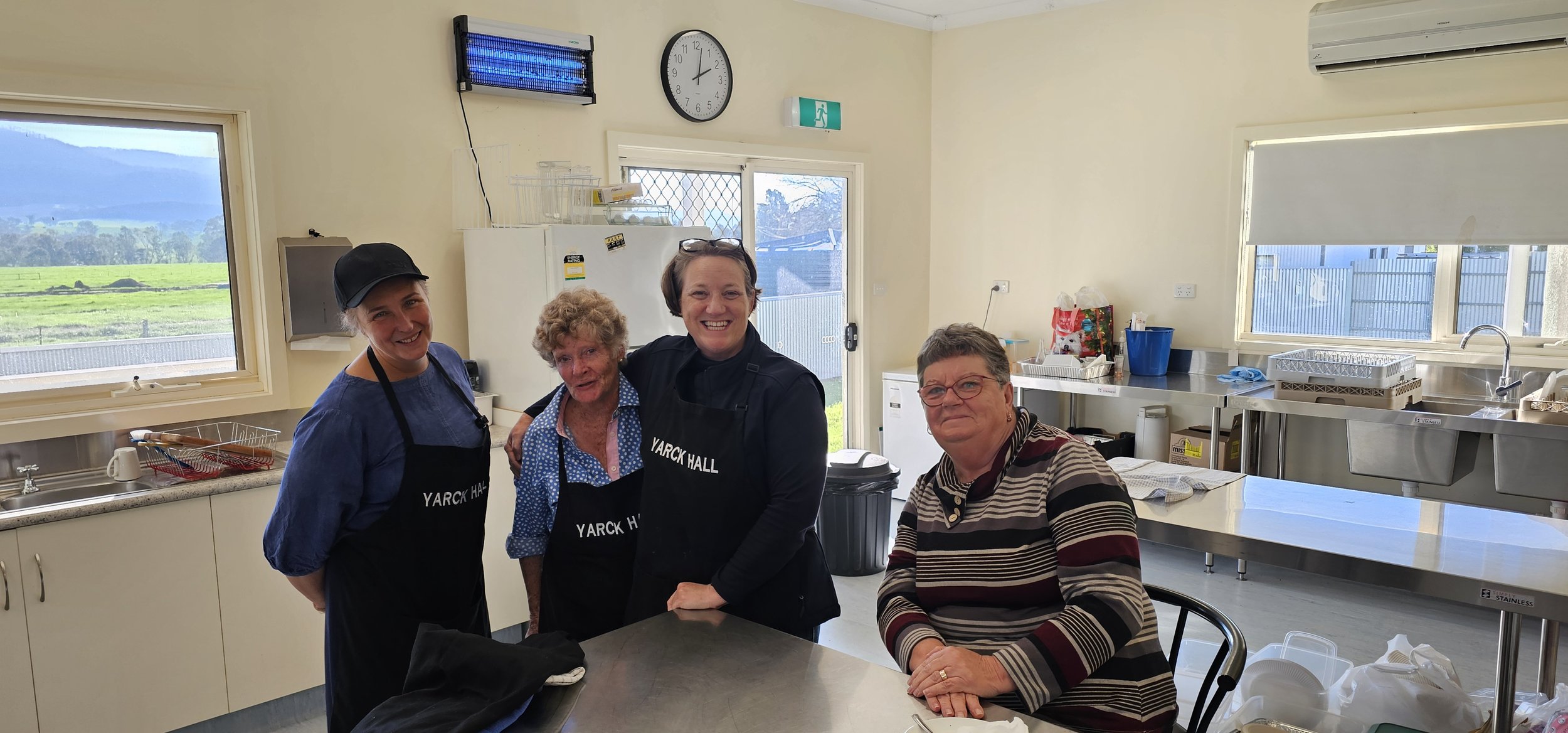
Wholesome food generously prepared by volunteers.
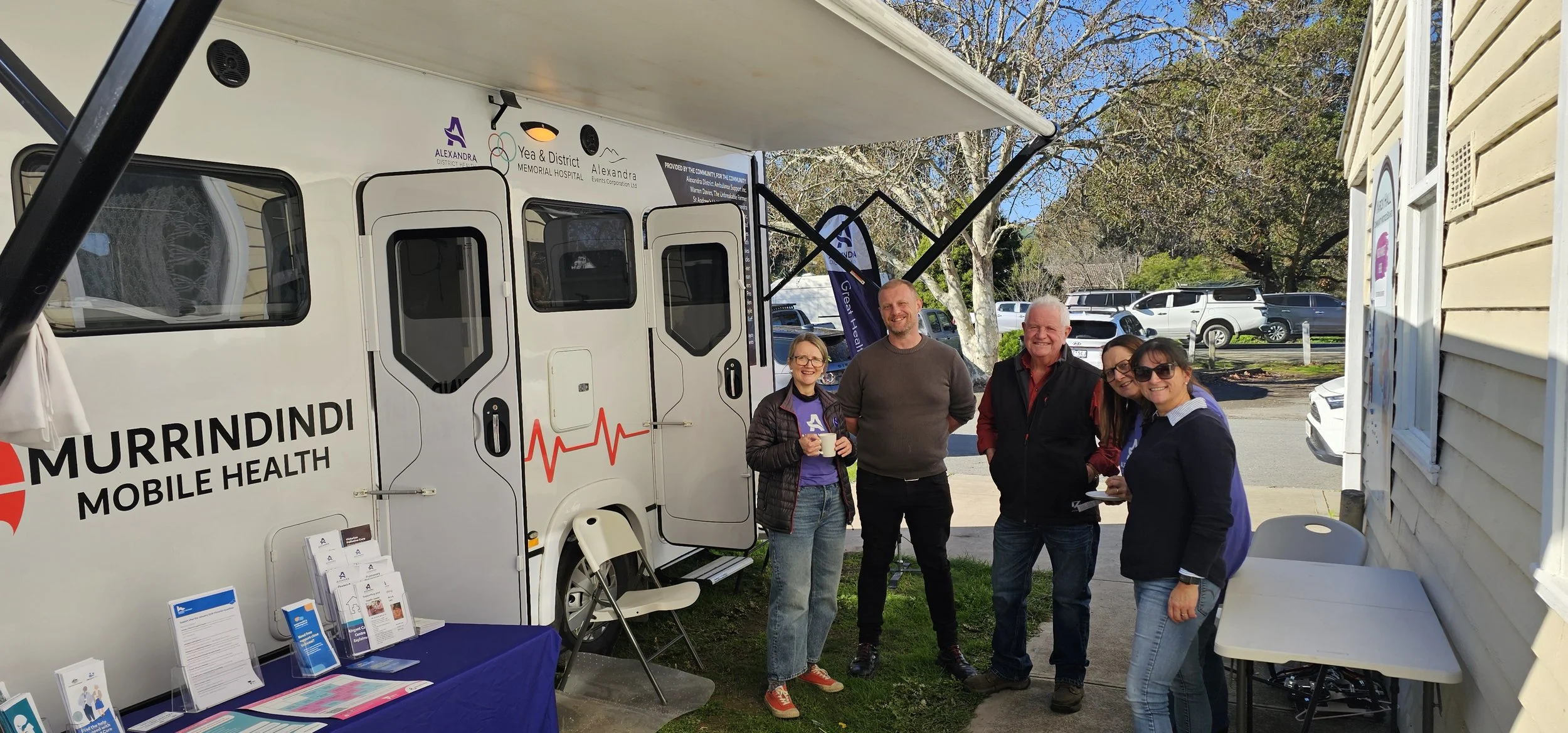
The Murrindindi Mobile Health Van.
People catching up.
Stories being shared.
Plenty of laughter.
But underneath all of that was something much more significant.
It was community wellbeing in action.
When a community experiences a disaster, our attention quite rightly turns to the visible damage. Homes need rebuilding. Fences need replacing. Businesses need reopening. Roads need repairing. Livestock need caring for.
All of those things are important.
But there is another kind of rebuilding that often receives far less attention.
We need to rebuild connection.
Disasters don't just destroy buildings. They interrupt routines. They create uncertainty. They isolate people. They quietly chip away at the everyday interactions that make us feel connected, valued and part of something bigger than ourselves.
As the weeks turn into months, the recovery changes.
The adrenaline disappears.
The volunteers head home.
The media moves on.
The recovery centres become quieter.
Yet for many people, the emotional recovery is only just beginning.
I've seen this in bushfire communities.
I've seen it after floods.
I've seen it through drought.
I've seen it in remote Australia and regional Australia.
Regardless of the disaster, the pattern is remarkably similar.
People become busy.
They focus on everyone else.
They convince themselves they're okay.
They don't want to be a burden.
Before long, loneliness quietly replaces connection.
This is where events like Comedy & Conversations become incredibly important.
Disaster recovery expert Dr Kate Brady has spent many years researching what helps communities recover well. Her work consistently reminds us that recovery isn't simply about replacing what has been lost. Long term recovery depends on rebuilding relationships, strengthening social connection and creating opportunities for people to spend time together in safe, welcoming environments.
Recovery doesn't happen because someone delivers a program.
Recovery happens because people reconnect with people.
That is exactly what happened at Yarck Hall.
Laughter filled the room.
Now, some people might think laughter is simply entertainment.
I see something much deeper.
Laughter changes people.
It softens us.
It lowers our guard.
It interrupts the stress response that so many people have been living with for months.
Research has shown that genuine laughter can reduce stress hormones such as cortisol and adrenaline while increasing endorphins, our body's natural feel good chemicals. It can improve mood, strengthen social bonds and create a greater sense of belonging. While laughter doesn't remove trauma, it gives our minds and bodies a chance to rest, even if only for a little while.
Sometimes that little while is enough.
Enough to breathe.
Enough to smile.
Enough to realise you're not alone.
Enough to have the conversation you've been putting off.
That's why I loved sharing the afternoon alongside two genuinely funny blokes, Des Dowling and Dave O'Neil.
Their job was to make people laugh.
And they certainly achieved that.
But something else happened between the jokes.
People lingered.
Neighbours caught up.
Old friendships were rekindled.
New friendships were formed.
Conversations naturally unfolded.
Some were light-hearted.
Some were deeply personal.
Some probably saved people from going home carrying the same weight they'd arrived with.
I've learnt through my own mental health journey that healing rarely arrives through one grand moment.
More often, it comes through small moments.
Someone asks how you're travelling and genuinely waits for the answer.
Someone remembers your name.
Someone sits beside you.
Someone makes you laugh when you didn't think you could.
Those moments matter far more than we often realise.
Connection creates safety.
Safety creates conversation.
Conversation creates hope.
And hope gives people the confidence to keep taking the next step.
One of the things I particularly appreciated on Sunday was seeing the Murrindindi Mobile Health Van alongside everything else happening.
The wonderful team from Alexandra District Health were there providing health checks, information and support throughout the afternoon.
To me, that's exactly what community wellbeing should look like.
Mental health shouldn't sit in one corner.
Physical health shouldn't sit in another.
They belong together.
When we normalise checking our physical health while also normalising conversations about our mental wellbeing, we remove some of the barriers that stop people asking for help.
That is what building capacity before crisis looks like.
It isn't about waiting until someone reaches breaking point.
It's about creating environments where support feels normal.
Where conversations happen naturally.
Where people know each other well enough to notice when something has changed.
Where asking, "How are you really going?" doesn't feel awkward.
It feels normal.
Sunday wasn't simply an afternoon of comedy.
It was prevention.
It was community capacity building.
It was strengthening relationships.
It was reducing isolation.
It was reminding people they belong.
Sometimes we underestimate the value of simply bringing people together.
Yet I have seen time and time again that some of the most powerful mental health initiatives don't begin in counselling rooms.
They begin in football clubs.
Community halls.
Men's sheds.
Field days.
Sporting clubs.
Country pubs.
School fundraisers.
Volunteer organisations.
And events exactly like Comedy & Conversations.
Because that's where trust already exists.
That's where people feel comfortable.
That's where conversations happen without pressure.
That is often where someone quietly says, "I'm actually doing it a bit tough."
Those six words can change a life.
As someone who has lived through my own mental health struggles and now has the privilege of walking alongside communities across Australia, I know recovery is never something we do alone.
We all need people.
We all need laughter.
We all need places where we feel welcome.
And sometimes we simply need someone to remind us that we're still part of a community that cares.
A heartfelt thank you to everyone who came along to Yarck Hall.
Thank you to Alexandra Events for your vision, passion and commitment to your community.
Thank you to Des Dowling and Dave O'Neil for reminding us just how powerful laughter can be.
Thank you to the volunteers whose wholesome country hospitality made everyone feel welcome from the moment they arrived.
Thank you to Alexandra District Health and the Murrindindi Mobile Health Van for making health and wellbeing part of the conversation.
And thank you to everyone who stopped for a chat, shared a laugh, shook a hand or gave someone a hug.
Those moments matter more than you'll ever know.
Next Sunday we head to Ruffy, and I can't wait to do it all again.
Because when communities connect, conversations happen.
When conversations happen, hope grows.
And sometimes hope begins with nothing more complicated than a shared laugh, wholesome country hospitality and the simple reminder that none of us has to walk the road alone.