Blog
Welcome to my blog. I hope these articles offer insights into various mental health challenges, coping strategies, and personal narratives. These all remind us we are never alone in our struggles.
What the Bloody Hell Do You Do When Someone Says, “No, I’m Not OK”?
We tell people to ask R U OK? and it sounds simple enough. Four words. But there is another part of the conversation we probably don’t talk about enough.
What happens if they say no?
Because if we’re truthful, a lot of us would shit ourselves.
We worry we won’t know what to say, that we’ll have to fix something we don’t understand or somehow become a counsellor on the spot. We don’t. Sometimes the most powerful thing we can do is stay, listen, ask another question and help someone find the support they need.
And sometimes we need to ask a better question in the first place.
The Numbers Matter. What We Do Before Crisis Matters More.
Queensland recorded 421 suspected suicide deaths in the first six months of 2026. Behind every number is a person, a family and a community. Drawing on conversations from across rural and remote Queensland, I look beyond the statistics at isolation, access to support, community connection and why suicide prevention has to begin long before somebody reaches crisis.
Leadership: Who Are We Actually Serving?
Leadership has always fascinated me, particularly the leadership that happens quietly inside communities without titles, recognition or fanfare. As I travel around Australia, though, I am also seeing how quickly leadership can move from service towards ego, especially when communities are under pressure. In this article I explore altruistic and egoistic leadership, grassroots community capacity, burnout, division and why I believe unity, kindness, connection and understanding are going to be critical to the way we lead into the future.
The Things We Measure... and the Things We Miss
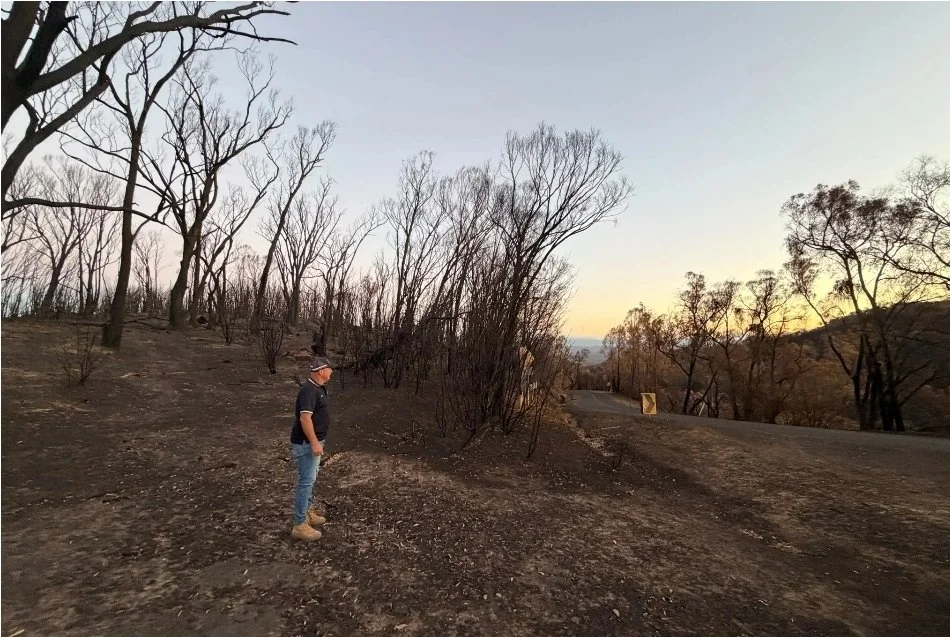
The Victorian Parliamentary Inquiry into the 2026 bushfires makes for important reading. But while reports capture evidence, they can never fully capture the emotion, exhaustion and hope found around kitchen tables, in community halls and on farms across Murrindindi, Strathbogie and other parts of the state..
These are my reflections after reading the report and walking alongside communities for the past six months.
Isolation Isn't Always Measured in Kilometres
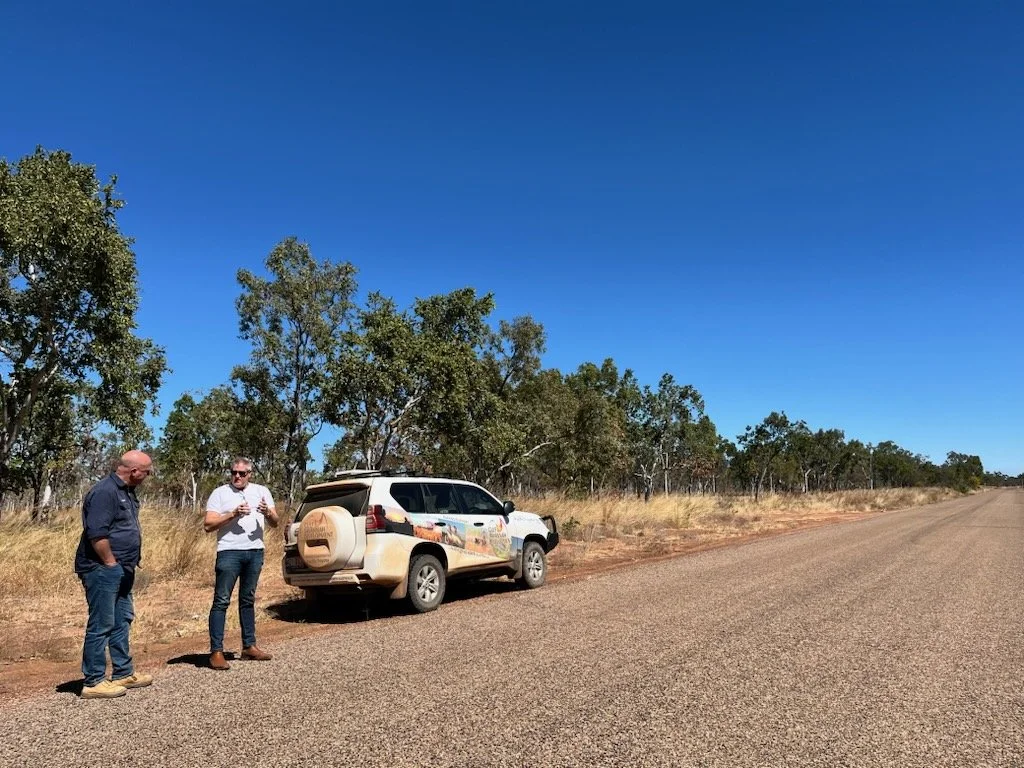
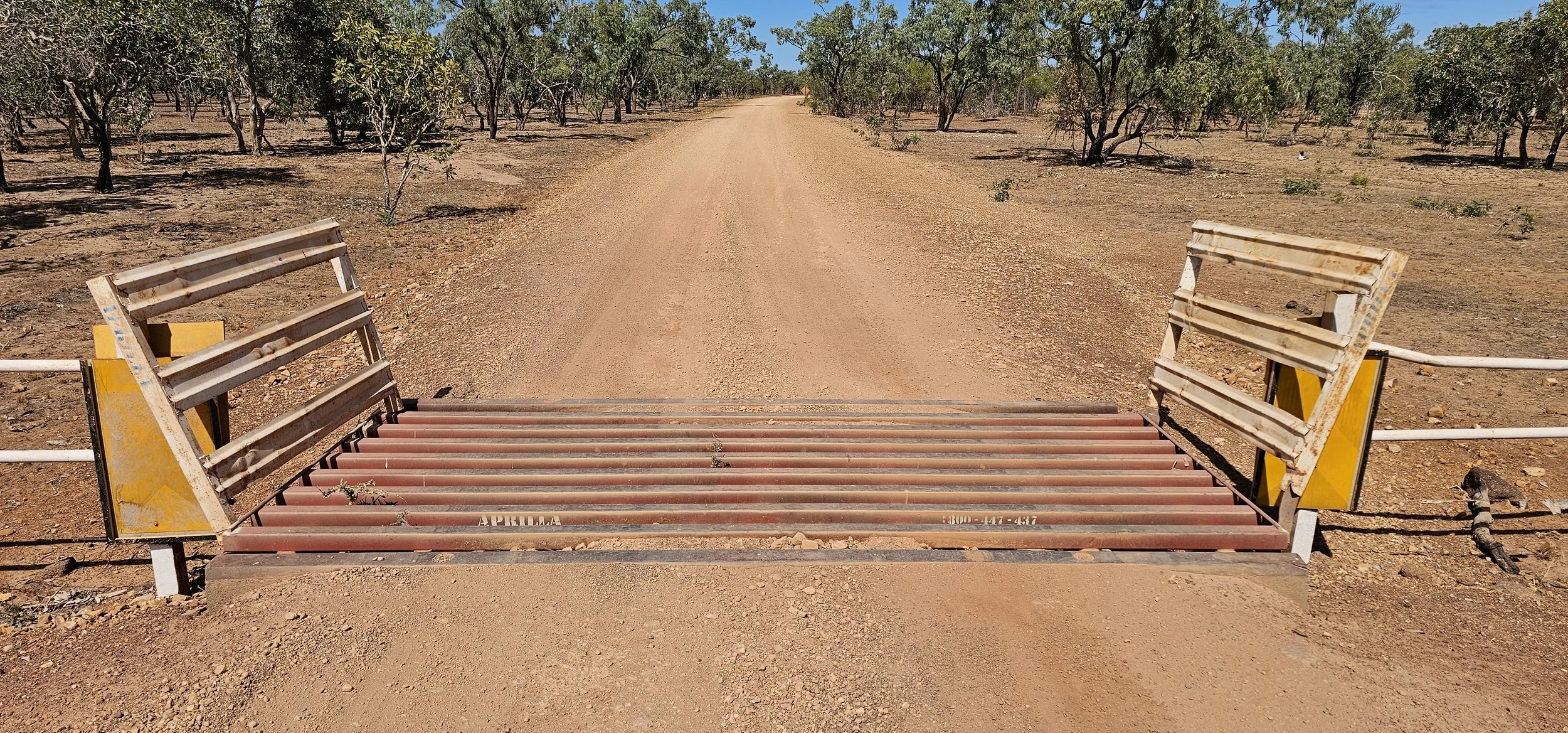
As I travel through Queensland's Gulf Country one thought continues to occupy my mind.
Isolation.
Not just the obvious isolation that comes with living hundreds of kilometres from the nearest town, but the quieter forms of isolation that exist in every community, every workplace and sometimes even within our own homes.
This journey has reminded me that loneliness isn't always measured by distance. More often, it's measured by connection.
Sometimes the Best Medicine Is a Laugh
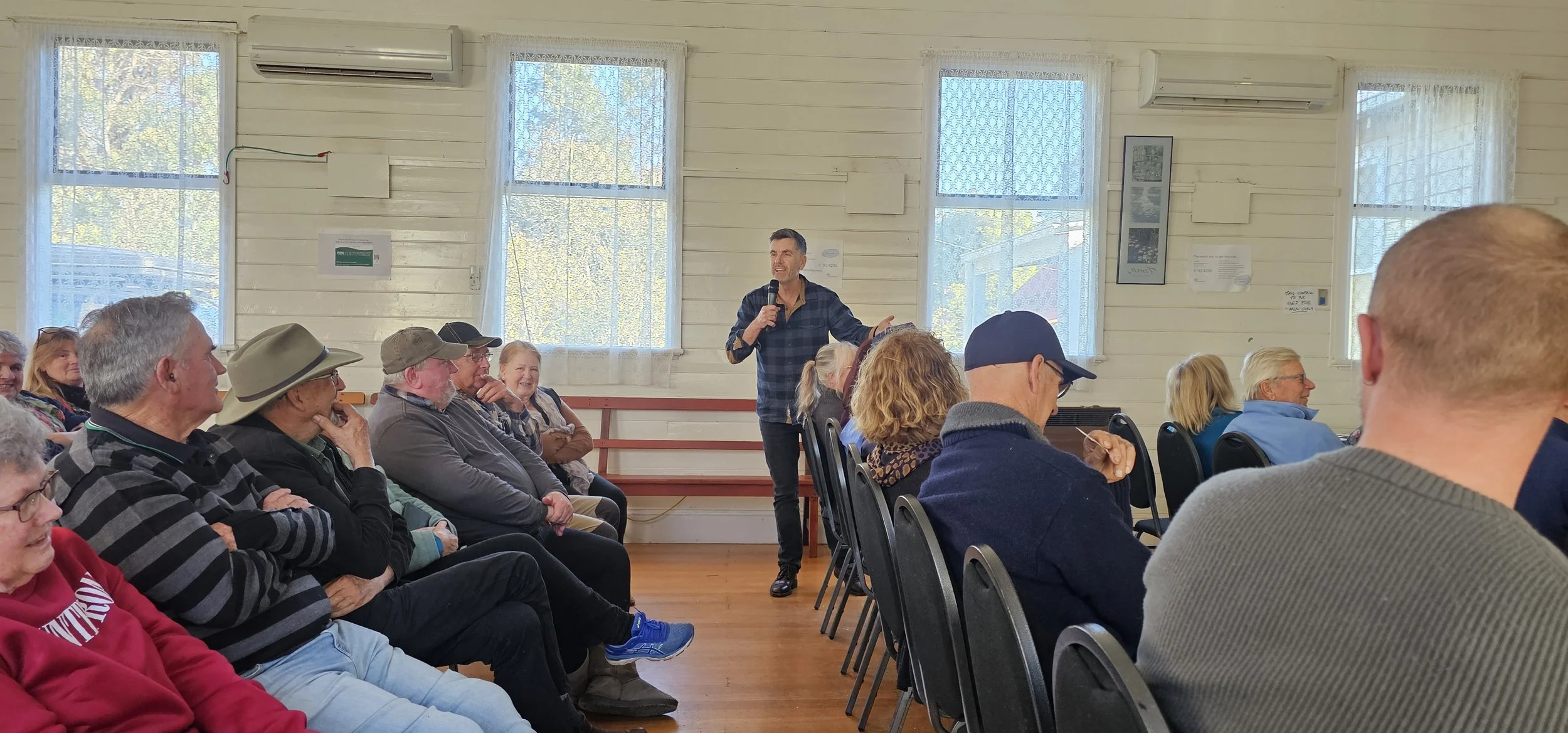
Sometimes the most powerful moments in disaster recovery don't happen in recovery meetings or government offices. They happen in community halls, over a shared meal, during a genuine conversation and through the simple act of laughing together. After spending Sunday at Comedy & Conversations in Yarck, I was reminded that rebuilding a community isn't just about repairing what was damaged. It's about reconnecting people. This is why laughter, conversation and wholesome country hospitality are essential ingredients in mental health and long term recovery.
When Stress and Anxiety Take Over: Finding Your Way Back When Life Feels Too Heavy
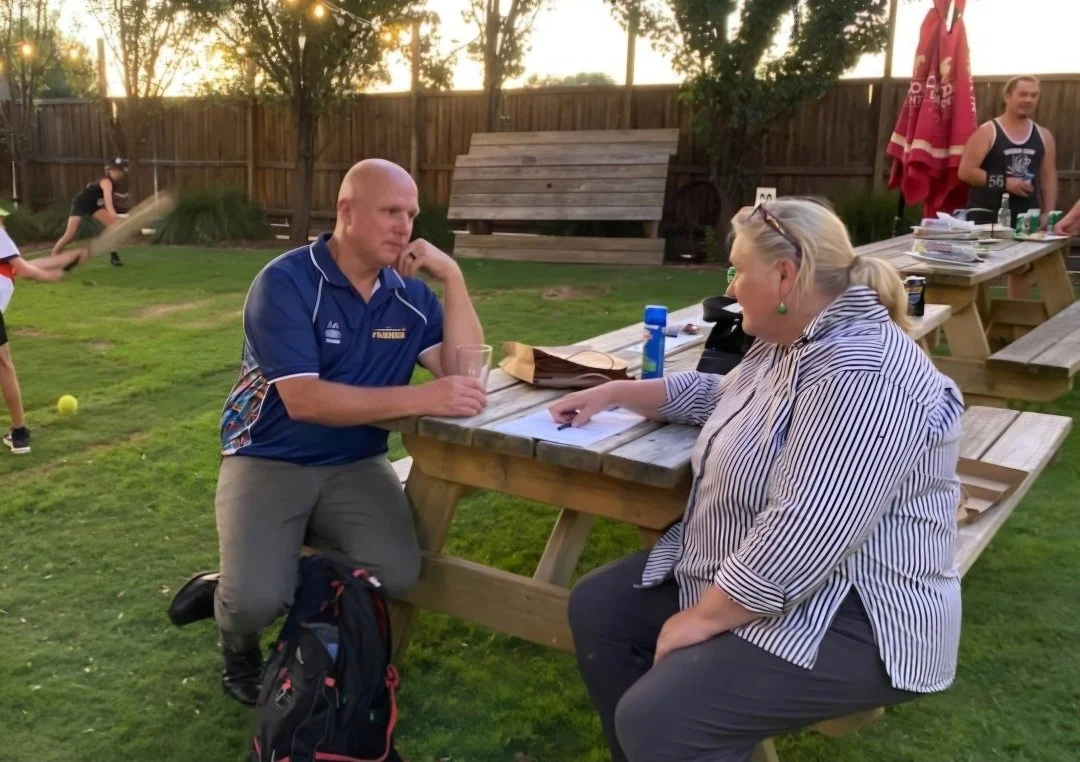
Stress and anxiety are something most of us will experience at some point in our lives. Yet when they become overwhelming, they can impact every aspect of our wellbeing, our relationships, our work and our ability to see a way forward.
As someone who has lived through droughts, floods, financial pressure, the loss of a family farming business and my own mental health struggles, I understand what it feels like when the weight becomes too much to carry alone.
In this blog, I share some of my own experiences, observations from working alongside communities across Australia, and practical strategies that can help when stress and anxiety begin to take control. My hope is that these insights remind you that you are not alone, that what you are feeling is valid, and that there are steps you can take to move forward, one conversation and one day at a time.
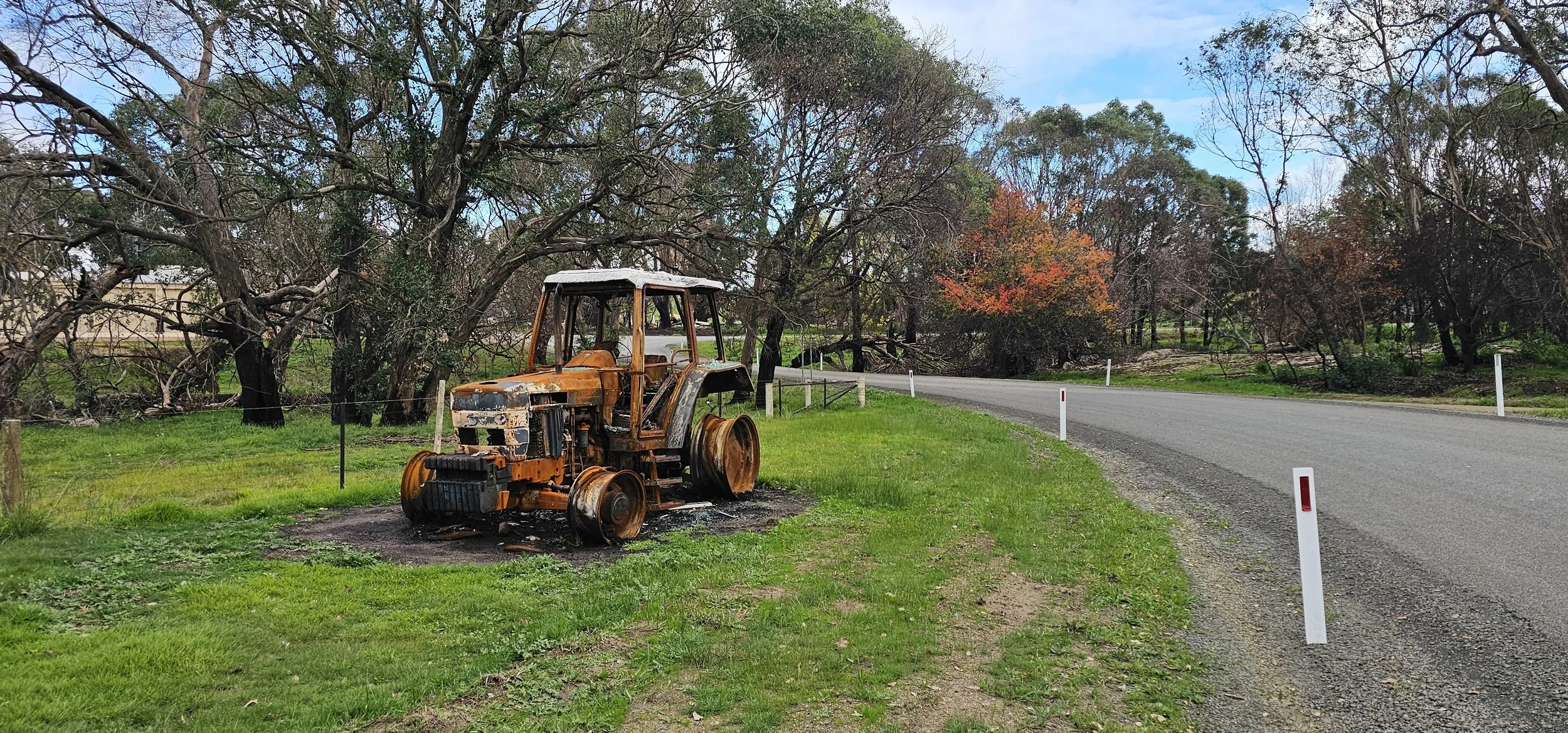
Six Months On: The Recovery We Don't See
Disaster recovery is often measured in weeks and months.
The reality is that for many communities, recovery is measured in years.
After recently spending time in flood affected Taree, New South Wales, and continuing to work alongside bushfire affected communities across Murrindindi, Victoria, I have been struck by the remarkable similarities in the conversations taking place.
Different disasters.
Different communities.
The same exhaustion.
The same uncertainty.
The same questions about what comes next.
Six months after a disaster is often when the hidden impacts of recovery begin to emerge. Recovery fatigue, financial pressure, relationship strain, delayed rebuilding, compounding disasters and the feeling that the rest of the world has moved on.
In this article, I share my observations from both communities, alongside insights gained from some of Australia's most respected disaster recovery practitioners, to explore why recovery often becomes harder, not easier, as time passes and why connection remains one of the most powerful recovery tools we have.
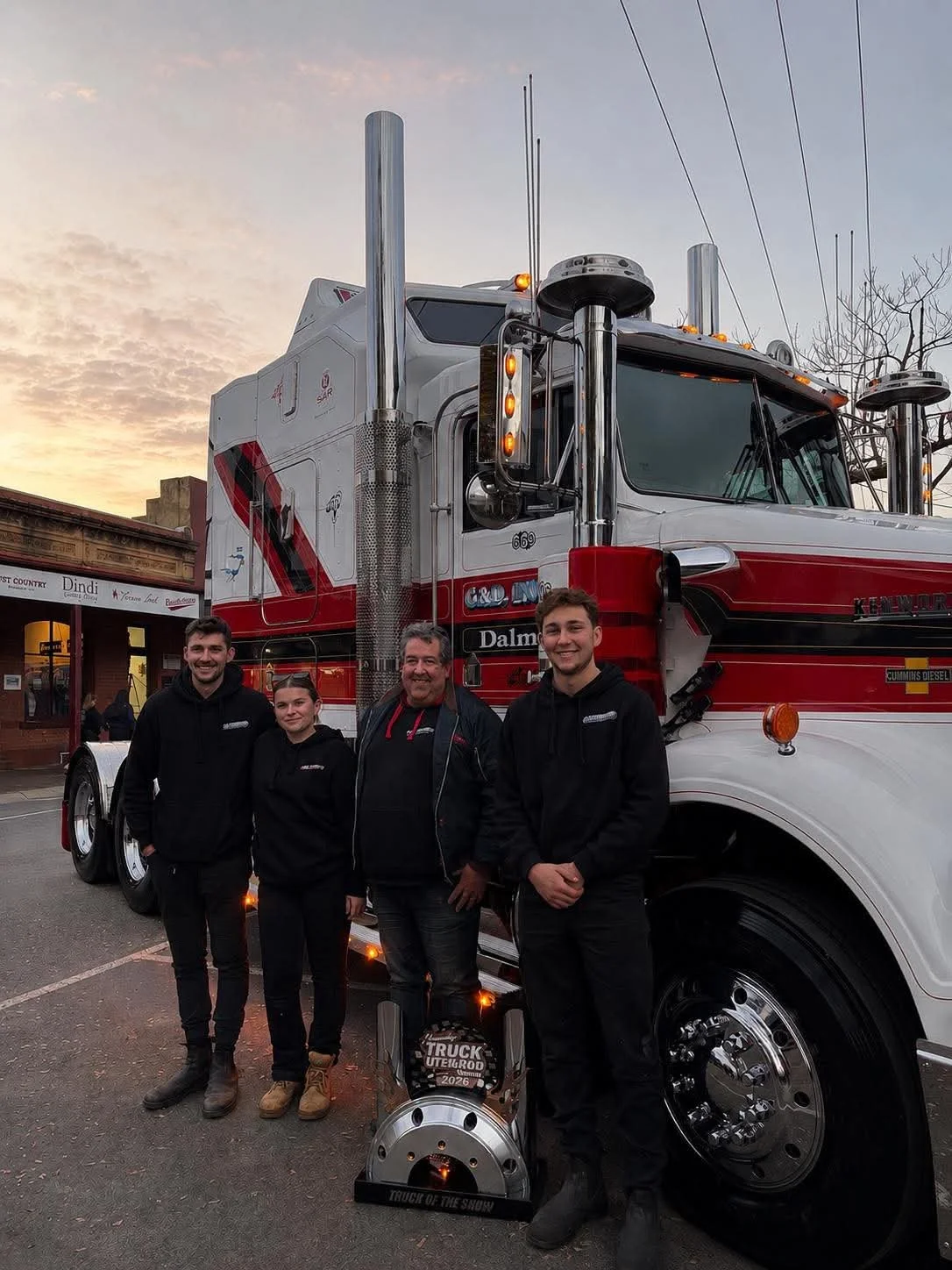
The Most Important Thing at the Alexandra Truck Show Wasn't a Truck
Thousands came to Alexandra for the trucks, but what stood out most had nothing to do with horsepower.
In an industry where many people spend countless hours alone on the road, the Alexandra Truck, Ute & Rod Show provides something far more valuable than a display of machinery. It creates opportunities for connection, conversation and community.
This year, the event carried even greater significance as the town continues its recovery from the January bushfires. While visitors enjoyed the spectacle, they also supported local businesses, strengthened community spirit and reminded a region doing it tough that it is not alone.
As an ambassador of the event, I witnessed firsthand the power of people coming together and why the most important thing at the Alexandra Truck Show wasn't a truck.
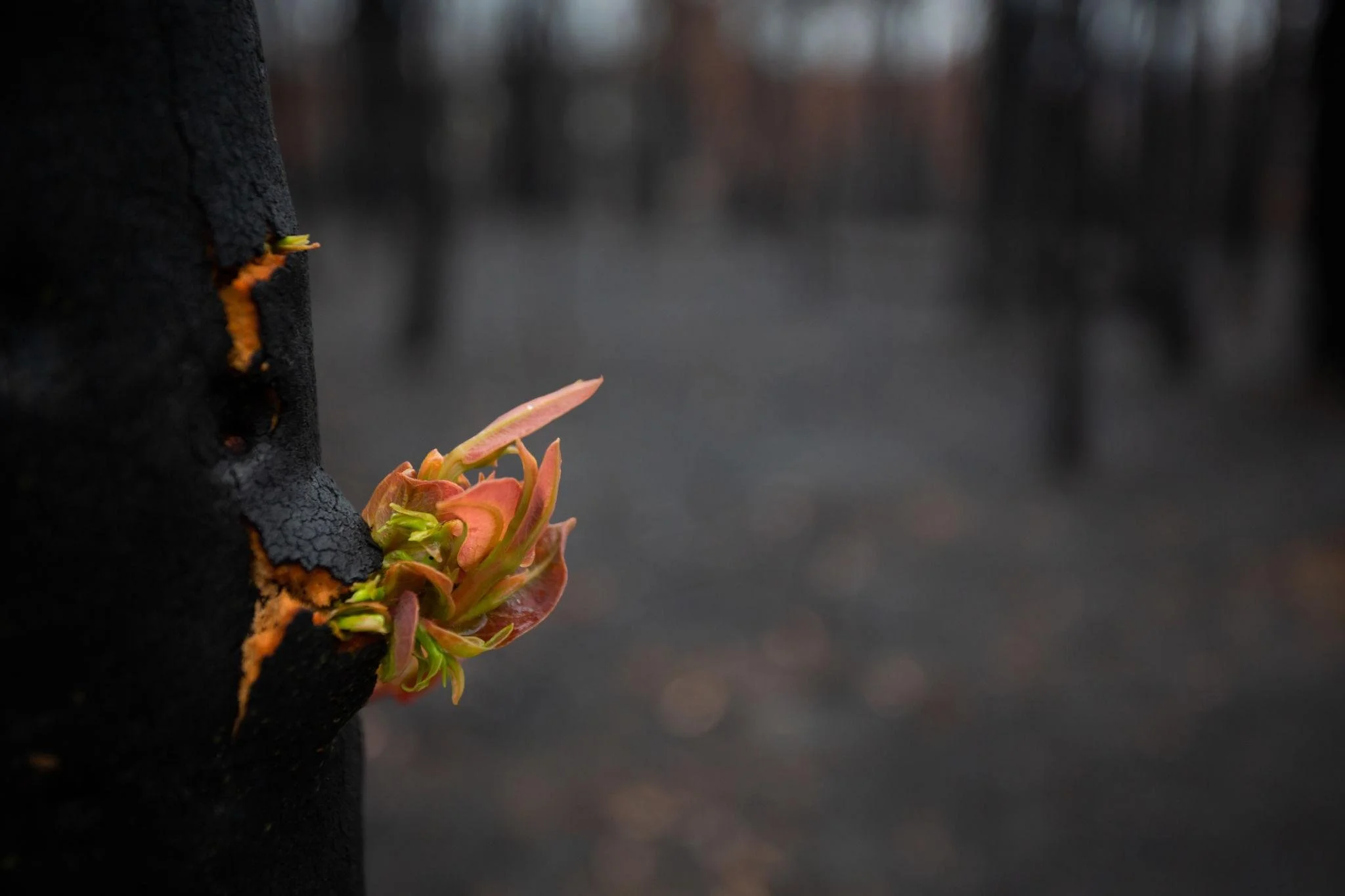
The Grief Beneath the Fire: Why Resilience Alone Isn't Enough After Disaster
After every fire, flood or disaster, we talk about resilience. But what if resilience isn't the whole story?
In this article, I explore the hidden layers of grief and trauma that disasters often uncover, and why building capacity before, during and after crisis may be one of the most important conversations we need to have.
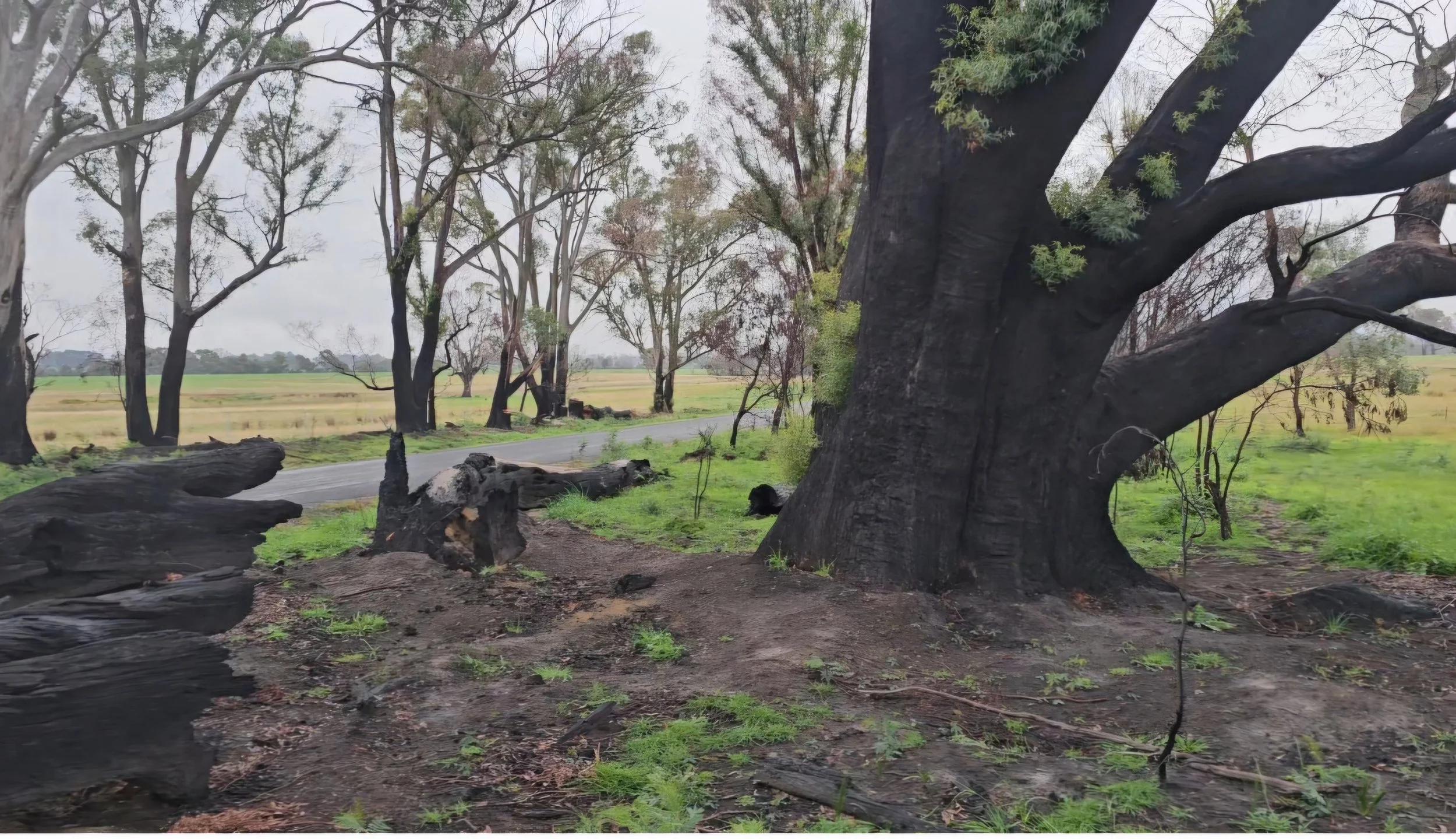
Governments Fund the Rebuilding of Infrastructure. We Must Also Fund the Rebuilding of People.
When disaster strikes, the damage we see is often only part of the story.
We rebuild roads, repair buildings and restore infrastructure, but the emotional and psychological recovery of the people affected can take far longer. In this blog, I reflect on the aftermath of disaster and why long-term investment in mental health, community connection and resilience is essential if communities are to truly recover.
Because while rebuilding places matters, communities don't recover unless people do.
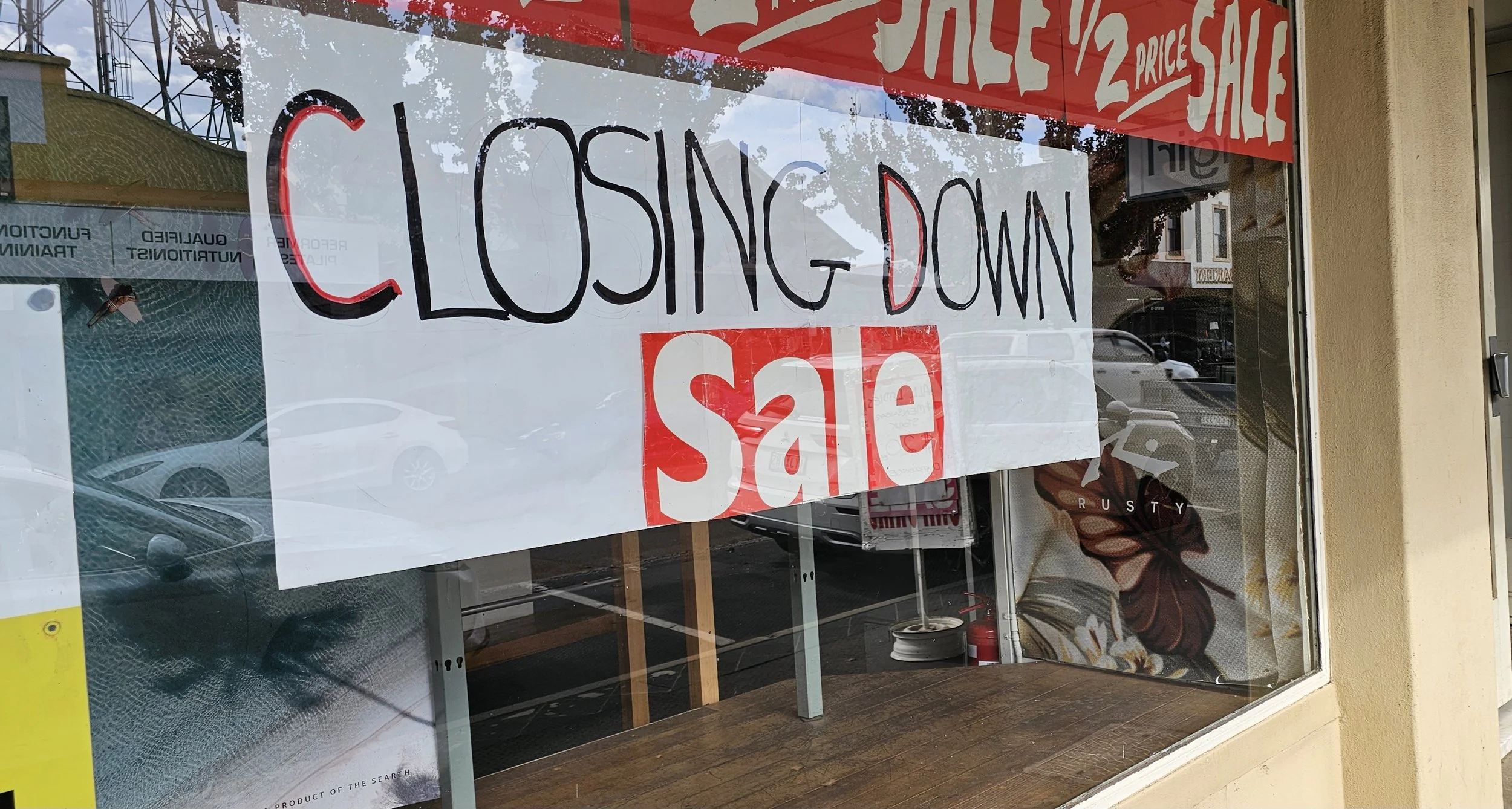
Our Main Streets Are Telling Us Something Is Wrong
A confronting reflection on homelessness, empty shops, emotional exhaustion and the growing pressures facing Australian communities. I explore the human impact behind the struggles appearing in our main streets.
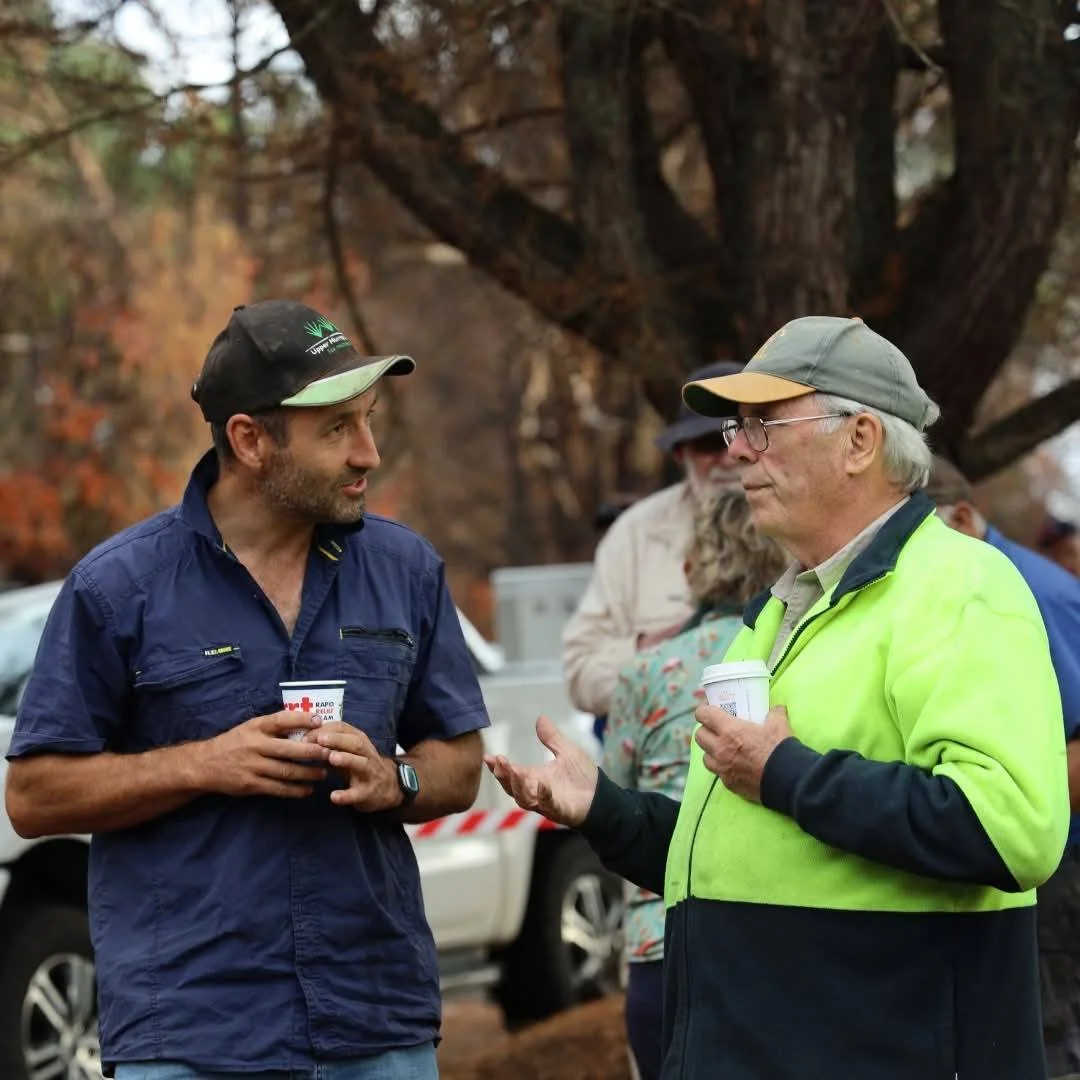
The Greatest Threat After Disaster Is Often the One We Don’t See
Disaster does not always end when the flames are out, the floodwaters recede or the headlines disappear. For many people, that is when the real struggle begins.
In this powerful blog, explores the hidden emotional toll of disaster recovery, the danger of isolation, and why human connection remains one of the most important tools we have in protecting mental health and rebuilding communities.

The Cost of Keyboard Courage
A raw reflection on the rise of keyboard warriors, online trolling, and the growing lack of empathy in digital spaces. This piece explores the real mental health impact of online bullying on individuals and communities, and asks a confronting question, when words are weaponised behind a screen, who carries the consequence?
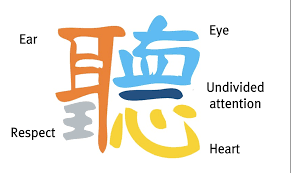
Listening Is More Than Hearing
We think we’re listening.
But most of the time, we’re just waiting to speak.
In the work I do across rural and regional communities, I’ve learned that real listening is rare and powerful. It’s not just about hearing words. It’s about noticing what’s not said, holding space without judgment, and being fully present in a way most people aren’t.
Because when someone feels genuinely heard, it can change everything.
“We’re Starting to Accept Suicide as Normal And That Should Terrify Us”
Two lives lost to suicide this week have really pulled me up.
At home, my wife said something I can’t shake: “Maybe this is just normal now.”
I understand why it feels that way, when you sit close to this space, it can start to feel constant. But I can’t accept it.
Suicide is not normal. And it should never become something we live with.
More than 3,300 Australians die by suicide each year, around nine every day. Behind every number is a person who mattered, and people left behind trying to make sense of it.
The pressure people are under is real, cost of living, business strain, uncertainty, isolation. It’s heavy and it’s growing.
The danger is not just the crisis, but acceptance of it.
We don’t need to normalise suicide.
We need to normalise the conversation.
Because when people can say “I’m not okay” without fear, things start to change.
That’s where it starts.
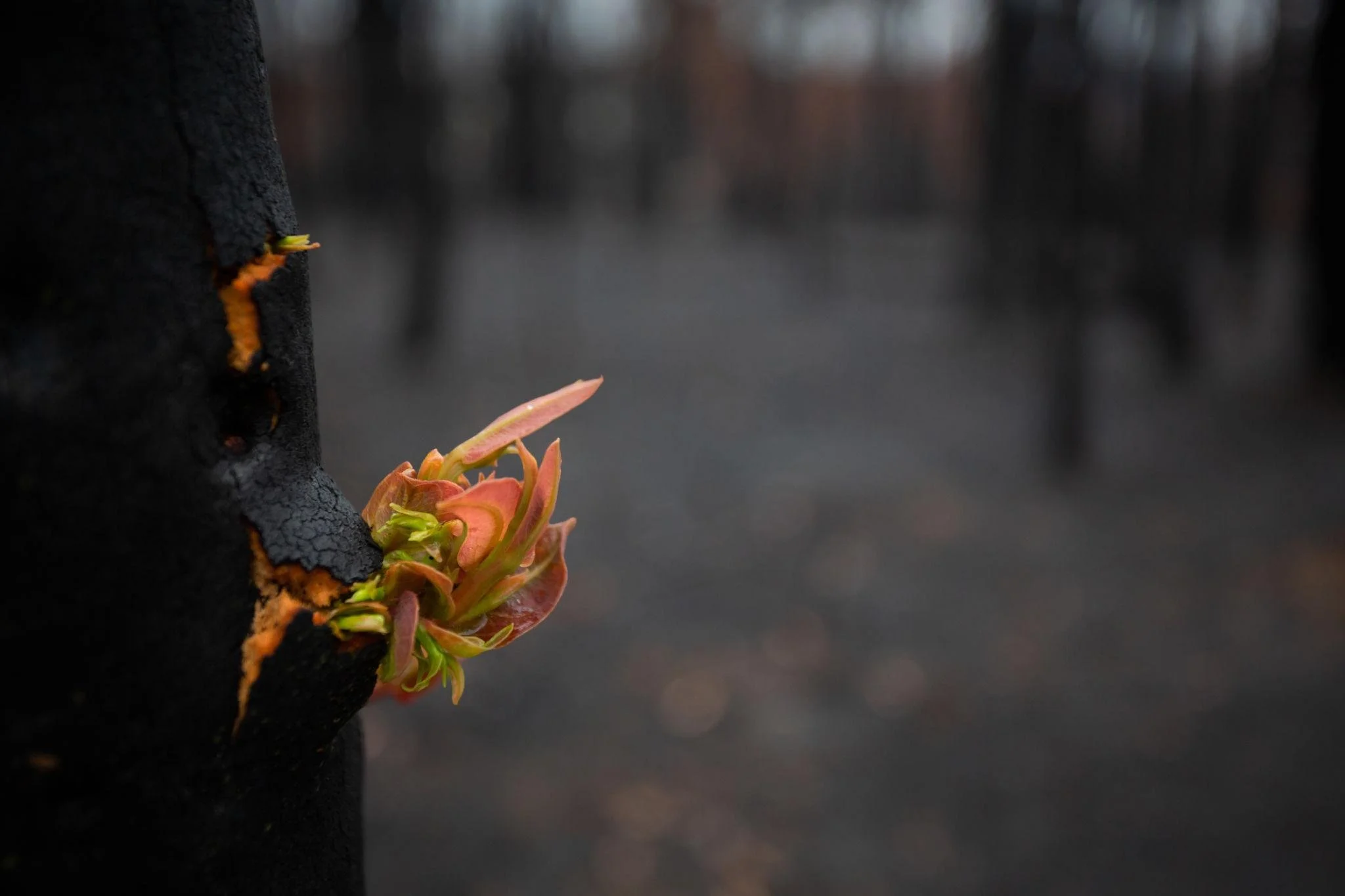
The Fragility Beneath “I’m Okay” Bushfire Recovery Reality
Most people will tell you they’re okay.
They’ll keep moving. Keep showing up. Say the words they think they’re meant to say.
But just under the surface… there’s a fragility sitting there.
And that’s the part we’re not talking about enough.
Right now, in this stage of bushfire recovery, I’m seeing something that worries me. Not the visible damage, but the quiet weight people are carrying months later. The comparison. The waiting. The feeling of being left behind.
Because the truth is, most people won’t speak up when they’re struggling.
They’ll wait until they’re at breaking point.
This is a reminder that what you’re feeling is normal. That you’re not weak. And most importantly, that you’re not alone.
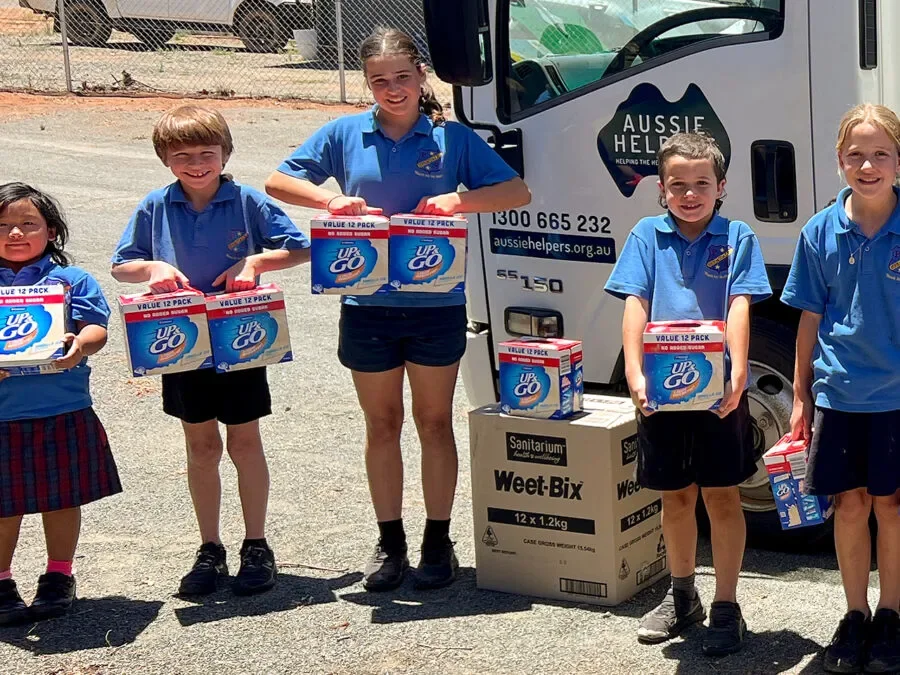
The Hungry Provider: Why “Brekkie in a Bag” Matters More Than Ever
Out here on the ground in regional Australia, I’m seeing what too many don’t, families under pressure, and kids starting school hungry.
Not somewhere else… right here in Australia.
The reality is simple. A hungry child can’t focus, can’t learn, and can’t reach their potential. And the hardest part? These are the very families who feed this country.
The Buy a Brekkie campaign by Aussie Helpers is a practical, immediate way to step in early, providing simple, nutritious breakfasts to rural kids who need it most. It’s about giving every child a fair start to the day and backing the communities that back all of us.
This is Capacity Before Crisis in action.
When Life Doesn’t Go to Plan: Finding Yourself Again
When life doesn’t go to plan, it’s not just the outcome that changes, it’s how we see ourselves. In this piece,I explore the quiet identity shift that comes with loss, uncertainty, and change and how we can begin to rebuild with honesty, courage, and small, intentional steps forward.
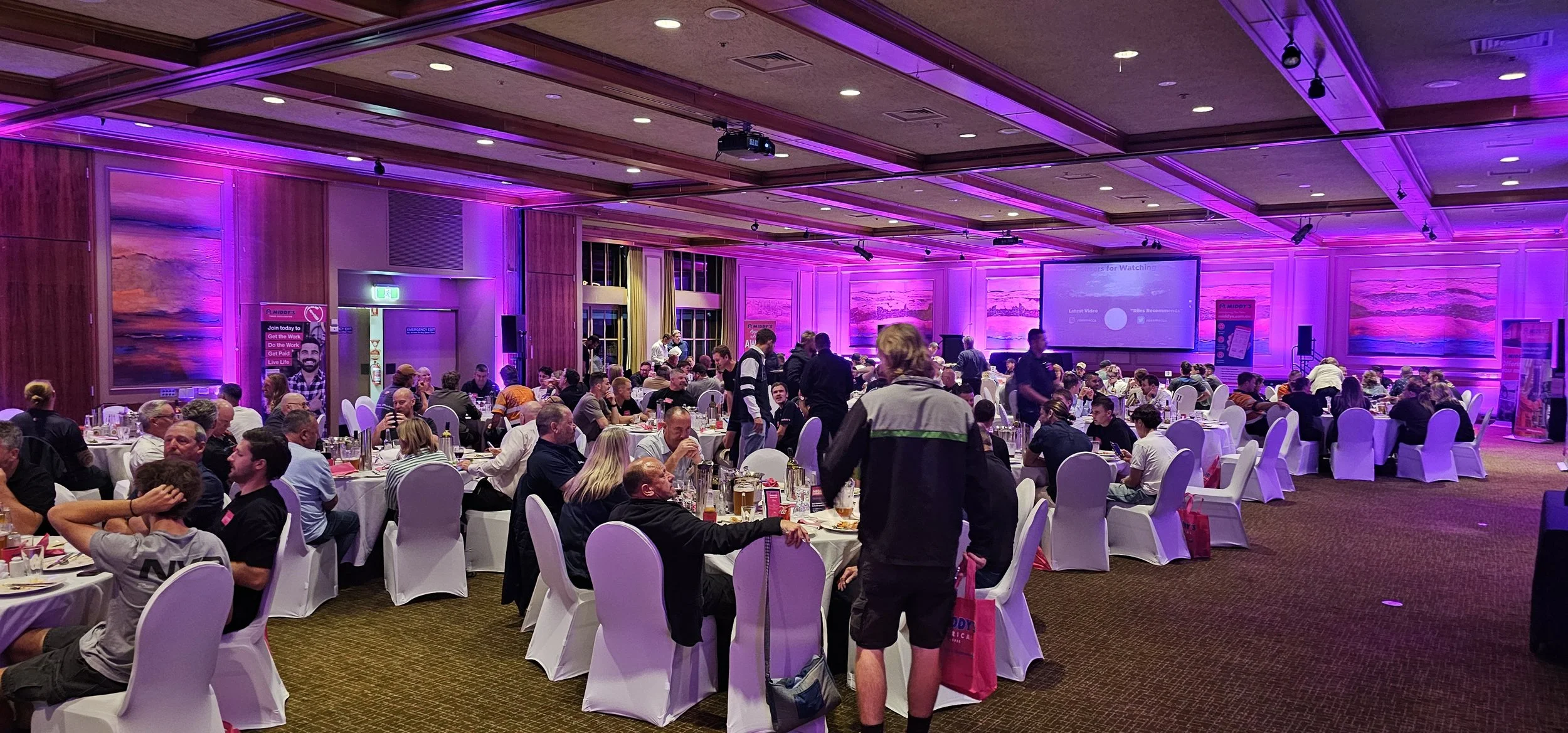
“We’re Losing Too Many Good People: It’s Time to Talk About What’s Really Going On”
This week in Launceston, I had the privilege of standing in front of leaders and workers from the electrical and construction industries at a Middy’s information night.
What unfolded wasn’t just a presentation, it was a much needed conversation.
Driven by people like Phil Forsyth and supported by a business willing to lean in, it created space to talk about something this industry can no longer ignore.
We are losing too many good people to suicide.
This blog is written on the back of that night. It’s raw, it’s real, and it’s a call for all of us across electrical, construction, and mining to take shared responsibility, start the conversations, and build capacity before crisis.